

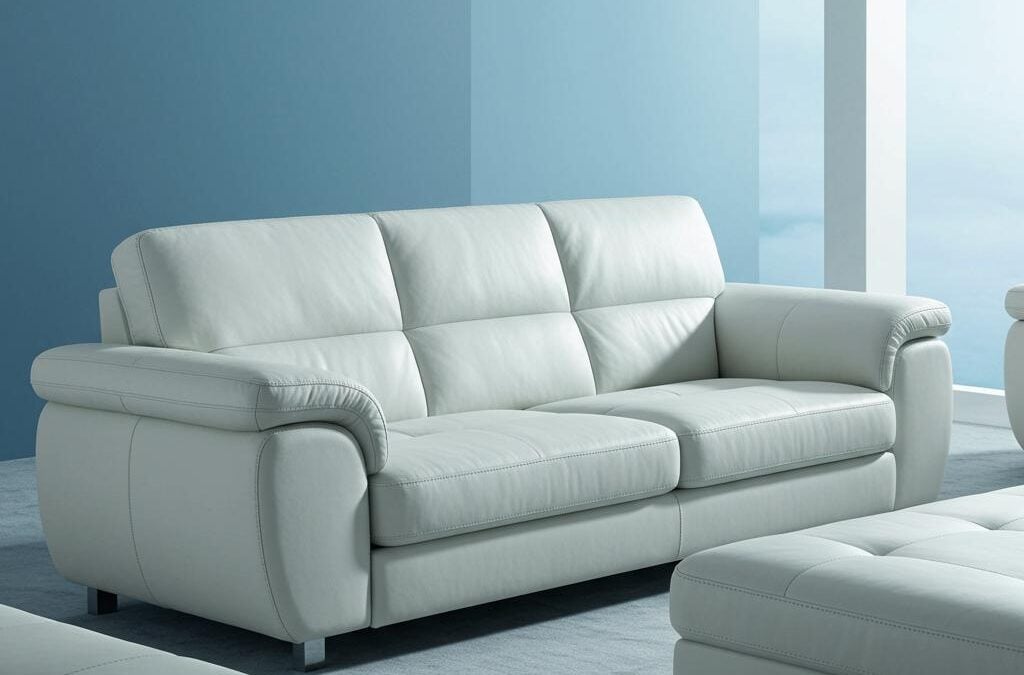
Professional upholstery cleaning Edmonton is about more than making a sofa look cleaner. Upholstered furniture collects dust, body oils, pet dander, food particles, allergens, and everyday debris that can become trapped deep within fabric fibers and cushioning. Over time, this buildup can contribute to unpleasant odors, visible discoloration, and premature fabric wear.
Edmonton’s changing seasons create additional challenges for furniture maintenance. Winter brings tracked-in salt, snow, and dry indoor air, while spring and summer introduce pollen, dust, and other outdoor particles. Fall adds leaves and debris that can easily transfer from clothing to couches and chairs.
Professional upholstery cleaning helps address this buildup using fabric-appropriate cleaning solutions, controlled moisture, and powerful extraction equipment. The right approach depends on the upholstery material, its condition, the type of soil present, and the manufacturer’s care recommendations.
Why Edmonton Furniture Needs Regular Upholstery Cleaning
Edmonton homes experience significant seasonal changes. Families may spend more time indoors during the colder months, increasing the amount of dust, skin oils, pet hair, and other debris deposited on furniture.
Heating systems can also create dry indoor conditions during winter. Static electricity makes lightweight particles more likely to cling to upholstery, while everyday movement can work fine grit deeper into the fabric.
Once these particles settle into cushions and fabric backing, routine vacuuming may not remove everything. Professional upholstery cleaning reaches beyond loose surface debris to address embedded soil and residues.
This is particularly important for furniture that receives heavy daily use, including:
- Living room sofas
- Sectionals
- Recliners
- Dining chairs
- Ottomans
- Accent chairs
- Office seating
- Reception furniture
Regular professional cleaning can help maintain the appearance and comfort of these pieces while protecting your investment.
How Edmonton’s Seasons Affect Upholstered Furniture
Winter: Snow, Salt, and Indoor Dust
Edmonton winters can bring snow, slush, road salt, and outdoor grime into the home. These contaminants can transfer from footwear and clothing onto furniture.
Indoor heating also means windows and doors are often kept closed for extended periods. As a result, dust, pet dander, and other particles can accumulate on frequently used furniture.
Keeping upholstery vacuumed and scheduling professional cleaning when needed can help prevent this combination of indoor and outdoor debris from becoming deeply embedded.
Spring: Snowmelt, Moisture, and Pollen
As temperatures rise, melting snow and changing weather conditions can increase moisture around the home. Spring also brings pollen and other outdoor particles that can enter through open doors and windows.
Furniture near entrances, windows, and high-traffic areas may collect these contaminants particularly quickly.
A professional upholstery cleaning can help refresh furniture after the long winter season and remove accumulated debris before spring allergens become a bigger concern.
Summer: Dust, Pollen, and Outdoor Activity
Summer brings increased outdoor activity, open windows, and more frequent movement between indoor and outdoor spaces. Dust, pollen, grass particles, and other debris can transfer onto upholstered furniture through clothing and pets.
Homes with children or animals may notice this buildup even faster because furniture often becomes an extension of the family’s everyday living space.
Fall: Leaves, Dirt, and Seasonal Transition
Fall weather introduces another round of outdoor debris. Leaves, soil, and dust can be tracked inside as temperatures decline and outdoor conditions change.
Fall is also a practical time to have heavily used furniture cleaned before Edmonton’s long indoor season begins.
What Gets Trapped Inside Upholstery?
Upholstery can collect much more than visible dirt. Even furniture that appears relatively clean may contain a mixture of:
- Dust and fine particulate matter
- Pet dander
- Hair and fur
- Body oils
- Sweat and skin cells
- Food particles
- Beverage residue
- Pollen
- Outdoor soil
- Household odors
Body oils are especially noticeable on frequently touched areas such as armrests, headrests, and seat cushions. Over time, these oils combine with dust and other debris to create darkened or greasy-looking areas.
Professional cleaning helps loosen and extract these contaminants rather than simply moving them around the surface.
Why Professional Upholstery Cleaning Is Better Than DIY Equipment
Rental machines and consumer upholstery cleaners can be useful for minor maintenance, but they may not provide the same level of control and extraction as professional equipment.
One common issue with DIY cleaning is excessive moisture. Upholstery that becomes too wet may take longer to dry, increasing the potential for odor, browning, or other problems depending on the fabric and furniture construction.
Another concern is detergent residue. Using too much cleaning solution or failing to extract it thoroughly can leave residue behind. That residue may attract additional dirt and cause the upholstery to become visibly soiled again sooner.
Professional technicians evaluate the furniture before choosing a cleaning method. This helps determine how much moisture, agitation, cleaning solution, and extraction power are appropriate for the material.
The Professional Upholstery Cleaning Process
A quality upholstery cleaning service should follow a systematic process rather than applying the same treatment to every piece of furniture.
1. Pre-Inspection
The technician examines the upholstery to identify the material, existing stains, discoloration, wear, and other potential concerns.
This step is important because different fabrics can react differently to moisture, heat, agitation, and cleaning chemicals.
2. Fiber and Dye Evaluation
Where appropriate, technicians evaluate color stability and fabric characteristics before applying cleaning solutions. This helps reduce the risk of unwanted color transfer or other avoidable problems.
3. Pre-Conditioning
A fabric-appropriate cleaning solution is applied to loosen oils, dirt, and other residues.
Surfactants help reduce surface tension and separate soil from the fibers, making contaminants easier to remove during extraction.
4. Controlled Agitation
For suitable materials, gentle mechanical agitation helps loosen embedded soil and distribute the cleaning solution more effectively.
The amount of agitation depends on the fabric and its condition. Delicate materials may require a significantly gentler approach.
5. Professional Extraction
Once the soil has been loosened, extraction equipment removes suspended contaminants, cleaning solution, and moisture from the upholstery.
Hot water extraction can be highly effective for compatible fabrics because it combines cleaning chemistry with controlled moisture and powerful vacuum recovery.
6. Drying and Grooming
After extraction, technicians maximize moisture recovery and improve airflow around the furniture. Upholstery may also be groomed to restore the fabric’s appearance and pile direction where appropriate.
Drying time varies according to fabric type, furniture construction, humidity, airflow, and the amount of moisture used.
Cleaning Different Types of Upholstered Furniture
Not every piece of furniture should be treated the same way.
Sofas and Sectionals
Large sofas and sectionals accumulate substantial amounts of soil because they receive frequent daily use. Seat cushions, armrests, and back cushions often require additional attention.
Dining Chairs
Dining chairs are particularly vulnerable to food and beverage spills. Fabric around the seat and front edge can develop visible staining from repeated contact.
Recliners
Recliners often accumulate body oils and dust around armrests, headrests, and seating areas because they are frequently used for extended periods.
Office and Commercial Furniture
Reception chairs, office seating, and conference room furniture may experience continuous use throughout the week. Commercial upholstery may require a different maintenance schedule than residential furniture because of higher traffic levels.
When Should You Have Upholstery Professionally Cleaned?
There is no single schedule that works for every household. A lightly used accent chair may require less frequent cleaning than a sectional used every day by a family with children and pets.
A professional cleaning may be appropriate when you notice:
- Darkened armrests or headrests
- Persistent furniture odors
- Visible stains
- Heavy dust accumulation
- Pet-related contamination
- Dull or flattened fabric
- Increased household activity
- Furniture that has not been professionally cleaned for an extended period
Many households may benefit from professional upholstery cleaning approximately every 12 to 24 months, while high-use furniture may need attention more frequently.
How to Maintain Upholstery Between Professional Cleanings
Professional cleaning works best when combined with regular maintenance.
Vacuum Regularly
Use an upholstery attachment to remove loose dust, pet hair, crumbs, and other surface debris. Pay particular attention to seams, cushions, and crevices.
Address Spills Quickly
Blot spills rather than aggressively rubbing them into the fabric. The longer a liquid or staining substance remains in upholstery, the more difficult it may become to remove.
Follow Manufacturer Care Instructions
Always check the furniture manufacturer’s cleaning recommendations before applying a product. Some upholstery materials require specialized cleaning methods.
Keep Pets’ Bedding and Furniture Areas Clean
If pets regularly sleep or rest on your furniture, keeping their bedding clean can help reduce the amount of hair, dander, and soil transferred to upholstery.
Schedule Professional Cleaning When Needed
Vacuuming helps control surface debris, but professional extraction can address deeper soil that routine maintenance cannot fully remove.
Common Upholstery Cleaning Questions in Edmonton
How often should upholstery be professionally cleaned?
For many homes, professional upholstery cleaning every 12 to 24 months is a reasonable maintenance interval. Furniture exposed to heavy use, pets, children, or frequent spills may require more frequent service.
Can professional upholstery cleaning remove pet odors?
Professional cleaning can address many pet-related odors by removing organic residues rather than simply masking the smell. However, results depend on how deeply the contamination has penetrated the upholstery and cushioning.
What is the difference between upholstery cleaning and shampooing?
Traditional shampooing can leave cleaning agents behind if the material is not thoroughly rinsed and extracted. Professional extraction uses controlled cleaning chemistry and vacuum recovery to remove suspended soil and moisture.
How long does upholstery take to dry?
Drying time varies depending on the fabric, furniture construction, humidity, airflow, and cleaning method. Effective extraction and airflow can help shorten the drying period.
Can delicate fabrics be professionally cleaned?
Yes, but the cleaning process must be selected according to the fabric. Delicate materials such as silk, velvet, wool, and specialty textiles may require low-moisture or other specialized techniques rather than standard extraction.
Why do stains sometimes come back after cleaning?
Some stains can reappear through a process known as wicking. When contaminants remain deeper within the cushion or backing, they may migrate toward the surface as the upholstery dries.
Can heavily soiled sectionals be cleaned at home?
Professional on-site cleaning is often a better option for heavily soiled or large sectional furniture because technicians can evaluate the material and use equipment designed specifically for upholstery.
Is professional upholstery cleaning suitable for commercial furniture?
Yes. Offices, hotels, waiting rooms, and other commercial environments can benefit from professional upholstery maintenance. High-use commercial furniture may require more frequent cleaning than residential pieces.
Upholstery Cleaning Services in Edmonton and Surrounding Communities
Edmonton is the center of a large metropolitan region, and professional upholstery cleaning services can benefit homeowners and businesses throughout surrounding communities.
Service areas may include:
- Edmonton
- St. Albert
- Sherwood Park
- Spruce Grove
- Stony Plain
- Morinville
- Ardrossan
From residential sectionals and recliners to commercial reception seating, furniture cleaning helps maintain cleaner, more presentable interiors throughout the Edmonton region.
Why Professional Furniture Care Is Worth It
Replacing a sofa or sectional can be a significant expense. Professional cleaning can help extend the usable life of furniture by removing abrasive particles, oils, and other contaminants before they contribute to premature fabric wear.
Instead of waiting until upholstery becomes heavily stained or develops persistent odors, routine professional maintenance can help keep furniture looking and feeling fresh.
The right cleaning process also protects against common mistakes associated with excessive moisture, unsuitable chemicals, and aggressive scrubbing.
Professional Upholstery Cleaning Edmonton
Clean upholstery contributes to a more comfortable and attractive home or workplace. In Edmonton, seasonal changes, winter heating, outdoor debris, pets, and everyday household activity can all contribute to the gradual accumulation of soil inside upholstered furniture.
Professional upholstery cleaning Edmonton provides a deeper cleaning solution for sofas, sectionals, chairs, recliners, and commercial furniture. With proper inspection, fabric-appropriate cleaning solutions, controlled moisture, and effective extraction, professional technicians can address embedded soil while taking the condition of the furniture into account.
For furniture that has become visibly soiled, developed persistent odors, or simply needs routine maintenance, professional upholstery cleaning can help restore a fresher appearance and extend the life of your investment.
Ready to refresh your furniture? Contact Select Carpet & Upholstery Cleaning to schedule professional upholstery cleaning in Edmonton, Alberta.