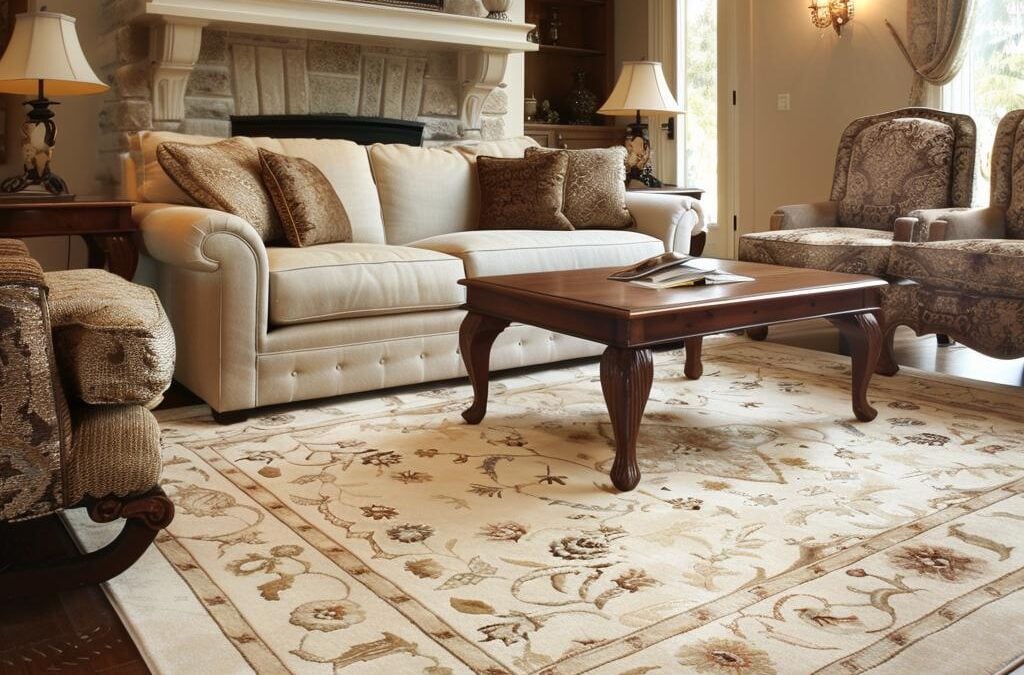
Area rug cleaning in Edmonton delivers essential textile preservation services by removing deep-seated soil, seasonal grit, and allergens introduced by northern climates. Professional area rug cleaning specialists combine high-flow vacuum extraction, pH-balanced pre-conditioners, targeted agitation, and controlled drying to restore textile integrity completely. Edmonton homeowners benefit significantly from professional maintenance because regional dust, winter salt residues, and dry indoor heating cycles cause premature fiber wear and color degradation. Certified technicians inspect every rug’s fiber composition, backing material, and dye stability before selecting appropriate immersion or low-moisture cleaning methods. Proper maintenance extends textile lifespans, preserves aesthetic value, and improves indoor air quality across residential properties throughout the region. Advanced extraction protocols eliminate trapped microscopic contaminants that standard residential vacuums cannot reach, ensuring a truly revitalized living space for families throughout the capital region. Professional care prevents premature fiber degradation, protecting valuable textile investments against harsh environmental stressors.
Community Context & Climate
Edmonton weather imposes unique demands on interior textiles throughout the changing seasons. Winter conditions bring heavy applications of ice-melting salts, sand, and moisture that track indoors, embedding sharp mineral particles deep into rug foundations. Spring thaw transforms urban dust into fine particulate matter that settles heavily onto exposed floor coverings. Summer months introduce high foot traffic from outdoor recreation, while autumn brings falling leaves, organic debris, and fluctuating humidity levels. Winter heating systems dry indoor air significantly, making textile fibers brittle and prone to electrostatic attraction of airborne dust. Local humidity variations also influence indoor drying timelines after maintenance procedures, requiring professional climate control considerations. Professional rug care addresses these regional stress factors by neutralizing alkaline salt residues and extracting abrasive grit before fiber abrasion occurs. Seasonal temperature swings exacerbate contraction and expansion cycles in natural yarns, compounding stress on delicate foundational weaves. Localized urban pollution combines with vehicle exhaust emissions, producing oily films that coat fibers and attract particulate matter rapidly. Edmonton residents face continuous challenges maintaining pristine indoor environments due to these persistent meteorological and environmental factors. Professional intervention mitigates environmental wear by applying protective treatments that shield fibers from future particulate penetration. Regular extraction schedules counteract the cumulative buildup of seasonal pollutants, preserving structural resilience and aesthetic brilliance year-round. Consistent seasonal cleaning cycles protect delicate area rugs from accumulating deep-seated mineral deposits during prolonged winter freeze periods. Localized climate dynamics demand specialized technical adjustments during washing procedures to ensure complete soil suspension without over-wetting structural backings. Professional oversight guarantees that environmental variables never compromise the underlying integrity of heirloom textiles.
Extracted Certifications & Process
Certified technical protocols govern professional textile restoration to ensure safety and superior cleaning outcomes. Industry-recognized standards demand rigorous pre-inspection phases to identify natural fibers like wool, silk, and cotton alongside synthetic blends such as nylon and polyester. Pre-vacuuming removes loose particulate soil using dual-motor upright systems equipped with high-efficiency particulate filtration. Pre-conditioning agents apply targeted surfactants and enzyme solutions to break down stubborn organic soils and pet oils. Mechanical agitation utilizes soft-bristle rotary machines or specialized hand tools to lift embedded debris without damaging delicate weaves. Hot water extraction or controlled immersion washing flushes suspended soils away using regulated water temperatures and balanced pressure. Final extraction steps remove excess moisture rapidly, followed by specialized grooming brushes that align pile directions for optimal texture restoration. Professional technicians maintain rigorous adherence to manufacturer specifications during every phase of service execution. Specialized stain removal agents target complex chromophores from organic spills without compromising dye fastness or backing integrity. Controlled drying environments utilize commercial air movers to prevent cellulosic browning and eliminate residual moisture pockets. Quality control checklists verify that every rug meets exacting cleanliness and texture standards before final packaging and return delivery. Comprehensive post-cleaning inspections guarantee complete client satisfaction and long-term durability for every treated textile asset. Technical specialists continuously update their procedural methodologies to align with evolving textile manufacturing innovations. Rigorous training programs ensure every cleaning technician executes precise chemical application techniques tailored to specific fiber tolerances. Detailed fiber evaluations isolate potential risks associated with unstable dyes or delicate foundation structures prior to active intervention. Advanced extraction hardware guarantees maximum fluid recovery, significantly reducing overall drying times and preventing secondary fiber distortion.
Localized Heritage & Proximity
Surrounding communities throughout the capital region rely heavily on specialized textile maintenance services originating from the central urban core. Neighboring municipalities such as St. Albert, Sherwood Park, and Spruce Grove share identical environmental exposure patterns, necessitating consistent professional care standards. Stony Plain, Ardrossan, and Morinville residents frequently transport high-value oriental and contemporary rugs to regional facilities for specialized immersion cleaning. Commercial hubs like West Edmonton Mall generate substantial foot traffic, increasing the demand for robust maintenance programs in surrounding residential neighborhoods. Regional transport corridors facilitate rapid equipment deployment and secure pickup services across all designated service zones. Local heritage properties and modern developments alike require tailored maintenance protocols that respect unique architectural finishes and historic floor layouts. Regional expansion patterns connect diverse demographic zones to centralized technical facilities equipped for advanced rug rehabilitation. Municipal growth initiatives across Strathcona County and Parkland County drive heightened demand for professional textile preservation expertise. Logistics networks spanning the greater metropolitan area ensure seamless coordination between suburban client residences and central processing centers. Community engagement programs educate local homeowners regarding the critical importance of proactive textile maintenance in harsh northern climates. Established regional transit links enable efficient logistics management for scheduled pickup and drop-off appointments across all municipal boundaries. Proximity to major transportation arteries guarantees responsive service delivery for residential properties situated throughout the extended metropolitan zone. Regional collaborative networks support continuous sharing of advanced textile maintenance strategies among regional industry professionals. Local heritage conservation districts require specialized care approaches that honor traditional craftsmanship while utilizing modern cleaning science.
Map Narrative & Directions
Travelers departing from the Royal Alberta Museum downtown navigate westward along 104 Avenue NW toward major arterial connectors. Proceed west on 104 Avenue NW until reaching the intersection with Groat Road NW, then transition north. Follow Groat Road NW upward to merge onto Yellowhead Trail NW traveling westbound. Continue heading west along Yellowhead Trail NW for approximately six kilometers until reaching the exit for 149 Street NW. Turn left heading south onto 149 Street NW, navigating past local commercial blocks. Make a sharp left turn eastward onto 118 Avenue NW, then an immediate right turn heading south onto 147 Street NW. Select Carpet & Upholstery is located at 11621 147 Street, situated on the east side of the roadway with accessible client parking. Motorists traveling from northern suburbs utilize Anthony Henday Drive to access Yellowhead Trail eastbound before executing southern maneuvers toward 147 Street. Industrial park navigation routes provide clear signage guiding commercial fleet vehicles and residential clients directly to the facility. Strategic positioning near major transportation arteries ensures efficient dispatch coordination for mobile technicians operating throughout the regional service footprint. Clear directional markers assist visitors arriving for drop-off consultations or detailed textile evaluations. Alternative routing from western residential sectors involves following Stony Plain Road eastward before turning north onto 149 Street NW to reach the destination corridor. Commercial transport vehicles easily access the facility loading bays via dedicated industrial access roads designed for heavy traffic flow. Precise navigational waypoints ensure that visiting clients experience seamless arrival protocols during business operational hours.
Technical FAQ & Conclusion
What causes fringe discoloration during rug cleaning?
Fringe browning occurs when cellulosic fibers within cotton fringes dry slowly, drawing water-soluble dyes and impurities to the surface tips during evaporation.
How do professional technicians test for dye stability?
Technicians apply a heated damp white towel to a hidden section of the textile for thirty seconds to check for bleeding or color transfer.
Why do wool rugs require pH-balanced solutions?
Wool fibers feature a protective cuticle scale structure that degrades rapidly when exposed to highly alkaline cleaning agents exceeding pH 8.5.
What is the recommended frequency for professional area rug cleaning?
High-traffic household rugs require thorough professional extraction every twelve to eighteen months to prevent cumulative abrasive fiber damage.
Can pet urine odors be completely removed from wool rugs?
Enzymatic treatments and sub-surface extraction neutralize odor-causing uric acid crystals, though severe contamination requires specialized immersion washing pits.
How does dry soil impact delicate rug fibers?
Sharp mineral particles act like microscopic razor blades beneath foot traffic, severing yarn foundations from the primary backing over time.
What distinguishes synthetic rug maintenance from natural fibers?
Synthetic materials like polypropylene tolerate stronger chemical agitation and higher heat thresholds, whereas natural fibers demand strict temperature controls.
Why is post-cleaning pile grooming important?
Grooming separates matted yarn tips, restores natural velvet textures, and accelerates uniform drying across the entire pile face.
How do humidity levels affect indoor textile drying times?
Elevated ambient moisture reduces evaporation rates, requiring commercial air movers and dehumidifiers to prevent secondary mildew development.
What safety standards govern professional cleaning facilities?
Industry operations adhere to stringent environmental and chemical handling protocols to protect residential air quality and structural integrity.
Select Carpet & Upholstery delivers professional textile care throughout the capital region from our primary headquarters located at 11621 147 Street, Edmonton, Alberta T5M1W3, CANADA.
Technical Glossary
| Term | Localized Definition |
| Surfactant | Surface-active chemical compound that lowers water tension to penetrate and lift oily soils from textile fibers. |
| Hydrophobic | Water-repelling fiber characteristic that prevents immediate moisture absorption during preliminary stain assessment. |
| pH-Balanced | Chemical formulation maintained within a neutral range (pH 6.5 to 8.0) to protect sensitive natural wool and silk dyes. |
| Immersion Washing | Submersion cleaning technique utilizing flowing water baths for thorough contaminant flushing of high-value rugs. |
| Agitation | Mechanical movement applied via specialized tools or soft brushes to dislodge particulate soil from yarn bases. |