

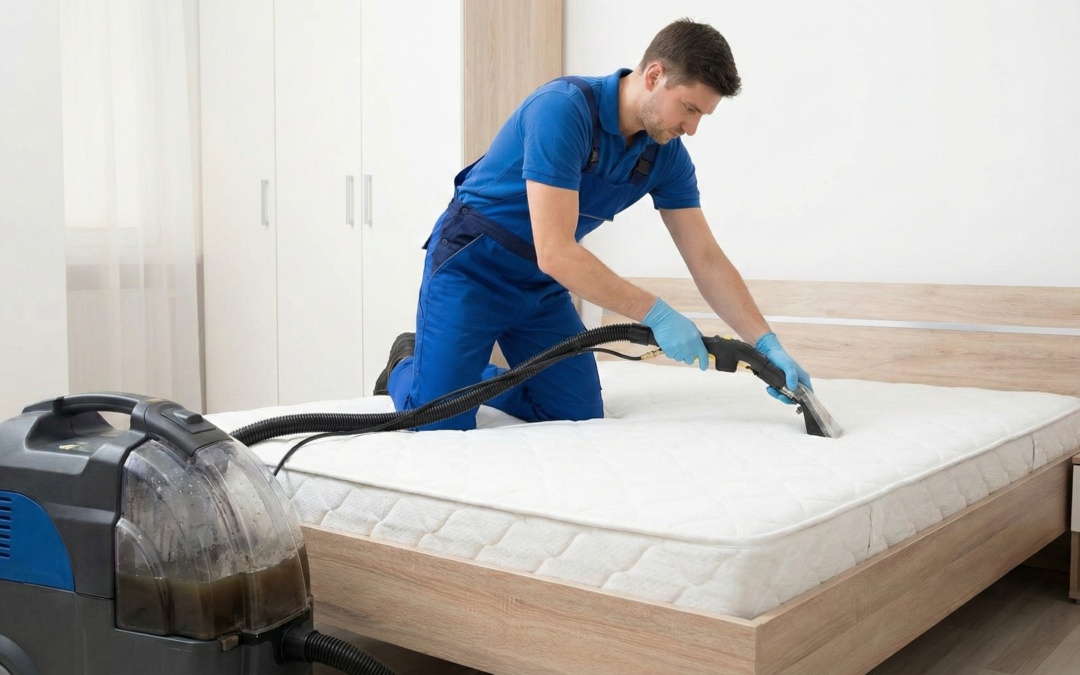
A clean mattress makes a big difference if you or someone in your home struggles with allergies. Removing dust mites and other allergens from bedding lowers night-time exposure and can ease symptoms. Below, we walk through practical mattress-cleaning strategies that improve indoor air and help you sleep better. You’ll learn why mattress care matters, which methods work best, and how Select Carpet & Upholstery Cleaning can help with a professional, allergy-focused clean.
Why mattress cleaning matters for allergy relief
Cleaning your mattress tackles the root of many nighttime allergy triggers. Dust mites, pet dander and mold spores build up in bedding and can cause respiratory irritation and skin flare-ups. Regular, targeted cleaning lowers those allergens so you breathe easier and sleep more comfortably.
How dust mites and other allergens affect your health
Dust mites and their droppings are common triggers for asthma, eczema and allergic rhinitis. Exposure can cause sneezing, coughing, congestion and shortness of breath in sensitive people. Many studies show a large portion of the population reacts to dust mites, so controlling their presence at home is an important step in managing these conditions over time.
Common allergy triggers found in mattresses
Mattresses commonly harbor dust mites, mold and pet dander. Dust mites thrive in warm, humid spots and feed on shed skin cells. Mold grows when moisture is present, and pet dander accumulates where animals sleep or rest. Identifying which of these is present helps you choose the right cleaning and prevention steps.
Most effective mattress cleaning methods for allergy control
A few proven methods help reduce allergens: steam cleaning, HEPA-filter vacuuming and mattress encasements. Each brings different strengths — used together they give the best protection.
| Method | Effectiveness | Benefits |
|---|---|---|
| Steam Cleaning | Moderate to High | Kills surface dust mites and removes allergens |
| HEPA Vacuuming | Moderate to High | Captures fine particles and allergen debris |
| Mattress Encasements | High | Blocks dust mites from entering the mattress |
Steam cleaning uses high-temperature vapor to sanitize mattress surfaces and remove allergen residues. It’s effective at killing many dust mites on the surface, though extreme heat may not reach every mite embedded deep inside a mattress.
Steam cleaning is commonly recommended, but research continues into how fully it can eradicate dust mites in all situations.
Steam cleaning: evidence on house dust mite control
Although steam cleaning of bedding and other fabrics is a common recommendation for reducing house dust mite populations, there have been few studies to examine the feasibility and efficacy of steam cleaning for the eradication of house dust mites.
The use of domestic steam cleaning for the control of house dust mites, MJ Colloff, 1995
HEPA vacuuming is a key step because HEPA filters trap very small particles that standard vacuums can miss, reducing the amount of allergen material returned to the room air.
Some studies have looked at combining advanced approaches—like dry steam plus HEPA vacuuming—to achieve greater allergen reductions.
Dry steam cleaning & HEPA vacuuming for allergen reduction
Dry steam cleaning, which has gained recent attention as an effective method to reduce house dust mite (HDM) allergen concentration and loading in carpets, was evaluated in this study for its efficacy in lowering levels of polycyclic aromatic hydrocarbons (PAHs) as well as HDM allergens.
Evaluation of HEPA vacuum cleaning and dry steam cleaning in reducing levels of polycyclic aromatic hydrocarbons and house dust mite allergens in carpets, CH Yu, 2009
Mattress encasements create a physical barrier that prevents dust mites and their waste from moving between you and the mattress, making it a simple, long-term way to cut exposure.
When paired with regular laundering and cleaning, encasements are part of an effective, multi-step approach to reduce house dust mite allergens.
Physical bed interventions for reducing dust mite allergens
House dust mite allergen exposure is a postulated risk factor for allergic sensitization, asthma development, and asthma morbidity; however, practical and effective methods to mitigate these allergens from low-income, urban home environments remain elusive. The purpose of this study was to assess the feasibility and effectiveness of physical interventions to mitigate house dust mite allergens in this setting. Bed interventions consisted of complete encasement of the mattress, box spring, and pillows plus either weekly professional or in-home laundering of nonencased bedding.
Effects of physical interventions on house dust mite allergen levels in carpet, bed, and upholstery dust in low-income, urban homes, 2001
Select Carpet & Upholstery Cleaning provides professional mattress cleaning that uses these methods together for a more complete result. With over 30 years of local experience, our goal is to improve indoor air and reduce allergen exposure in your home.
How professional steam cleaning reduces dust mites
Professional steam systems deliver hot vapor that penetrates surface layers and sanitizes fibers. That heat kills many dust mites and loosens allergen particles so they can be removed. While steam is a strong sanitizing step, deep-embedded mites may still require additional measures like encasements and HEPA vacuuming for ongoing control.
The role of HEPA vacuuming in allergen removal
HEPA vacuums capture 99.97% of particles down to 0.3 microns, which includes dust mite fragments, pollen and pet dander. Using HEPA filtration during cleaning prevents re-releasing these particles into the air and is an essential part of a safe, effective mattress-cleaning routine.
How often should you schedule professional mattress cleaning for allergy relief?
Regular professional cleaning helps keep allergen levels low. How often you need it depends on household factors like pets, allergy severity and humidity — but routine maintenance is the best way to protect your sleep environment.
Factors that influence mattress cleaning frequency
Several factors affect how often a mattress should be professionally cleaned:
- Presence of Pets : Houses with pets tend to need more frequent cleaning because of added dander and hair.
- Allergy Severity : If allergies or asthma are severe, more regular cleaning helps reduce triggers.
- Humidity Levels : High humidity encourages mold and dust mite growth, which calls for more frequent attention.
Recommended cleaning intervals for best results
As a general rule, schedule professional mattress cleaning every 6 to 12 months. If you or a family member has allergies or asthma, consider every 3 to 6 months. Regular cleaning keeps allergen levels lower and helps preserve sleep quality and overall health.
How Select Carpet & Upholstery Cleaning approaches allergy-focused mattress care
We specialize in mattress cleaning designed to reduce allergens. Our process combines proven equipment and practical steps to address the needs of allergy sufferers—and to leave your mattress feeling and smelling fresher.
Advanced technology we use in our mattress cleaning process
Our technicians use commercial-grade steam cleaning paired with HEPA vacuuming to sanitize and extract allergen material. These tools work together to remove surface contaminants and reduce the particles that trigger symptoms.
How our technicians ensure safe, effective allergen removal
Our team follows strict safety and maintenance protocols. We use eco-conscious, hypoallergenic cleaning solutions where appropriate and keep equipment serviced to deliver consistent results. That means effective allergen reduction without unnecessary chemical exposure.
Benefits of professional mattress cleaning beyond allergy relief
Professional cleaning does more than reduce allergens— it improves comfort, restores freshness and helps protect your mattress investment over time.
How mattress cleaning improves sleep and indoor air
Removing allergen buildup leads to fewer nighttime symptoms and better sleep continuity. Cleaner bedding also contributes to healthier indoor air, which supports overall wellbeing and daily energy.
Can mattress cleaning extend the lifespan of your mattress?
Yes. Regular cleaning removes debris that can break down materials over time, helping your mattress hold up longer and perform better. Think of it as routine maintenance that preserves comfort and value.
Best preventative measures to keep an allergen-free mattress
A few simple, ongoing steps make a big difference in keeping allergens low between professional cleanings.
How mattress protectors and encasements reduce allergens
Mattress protectors and full encasements block dust mites and prevent allergen transfer into the mattress. Wash protectors regularly in hot water to reduce mite populations and keep the barrier working effectively.
Why controlling humidity helps prevent dust mites
Dust mites prefer humid environments. Keeping indoor humidity under about 50% makes your home less hospitable to them. Use a dehumidifier, run exhaust fans and ensure good ventilation to maintain dryer, healthier conditions.
Frequently Asked Questions
What are the signs that my mattress needs cleaning?
Look for visible stains, lingering odors or an increase in nighttime allergy symptoms like sneezing, congestion or coughing. Noticeable dust on the surface, reduced comfort, recent spills or pet use are also clear signs it’s time for a professional clean.
Can I clean my mattress at home, or should I hire a professional?
Basic spot cleaning and regular vacuuming help, but a professional deep clean is more thorough. Pros use steam systems, HEPA vacuuming and extraction to remove deep-set allergens. If you have severe allergies or a heavily soiled mattress, professional service is usually the best choice.
How long does a professional mattress cleaning service take?
Most mattress cleanings take between 30 minutes and 2 hours depending on mattress size and condition. After the service, allow the mattress to dry fully before sleeping on it—drying times vary by method and ventilation but often take a few hours.
Are there any specific cleaning products I should avoid for my mattress?
Avoid harsh chemicals like bleach or ammonia—they can damage fabrics and leave irritants behind. Choose eco-friendly, hypoallergenic cleaners and follow the mattress manufacturer’s care instructions for the safest results.
What should I do to maintain my mattress between professional cleanings?
Vacuum regularly with a HEPA-filter vacuum, rotate the mattress every few months, use a washable mattress protector, and launder bedding weekly in hot water. Keep bedroom humidity low and ventilate regularly to limit dust mite and mold growth.
Is it safe to sleep on a mattress immediately after cleaning?
It’s best to wait until the mattress is completely dry. Steam and extraction cleaning can leave dampness that might encourage mold if you use the bed too soon. Good ventilation speeds drying—check for any remaining moisture before sleeping on the mattress again.
Conclusion
Regular, professional mattress cleaning plays a key role in reducing allergens like dust mites and pet dander and in improving sleep quality and indoor air. Combining steam cleaning, HEPA vacuuming and mattress encasements offers the most reliable results. Protect your health and your mattress—schedule a professional cleaning with Select Carpet & Upholstery Cleaning to get started.